


Mahjong for Two Players: How to Adapt the Game at Home
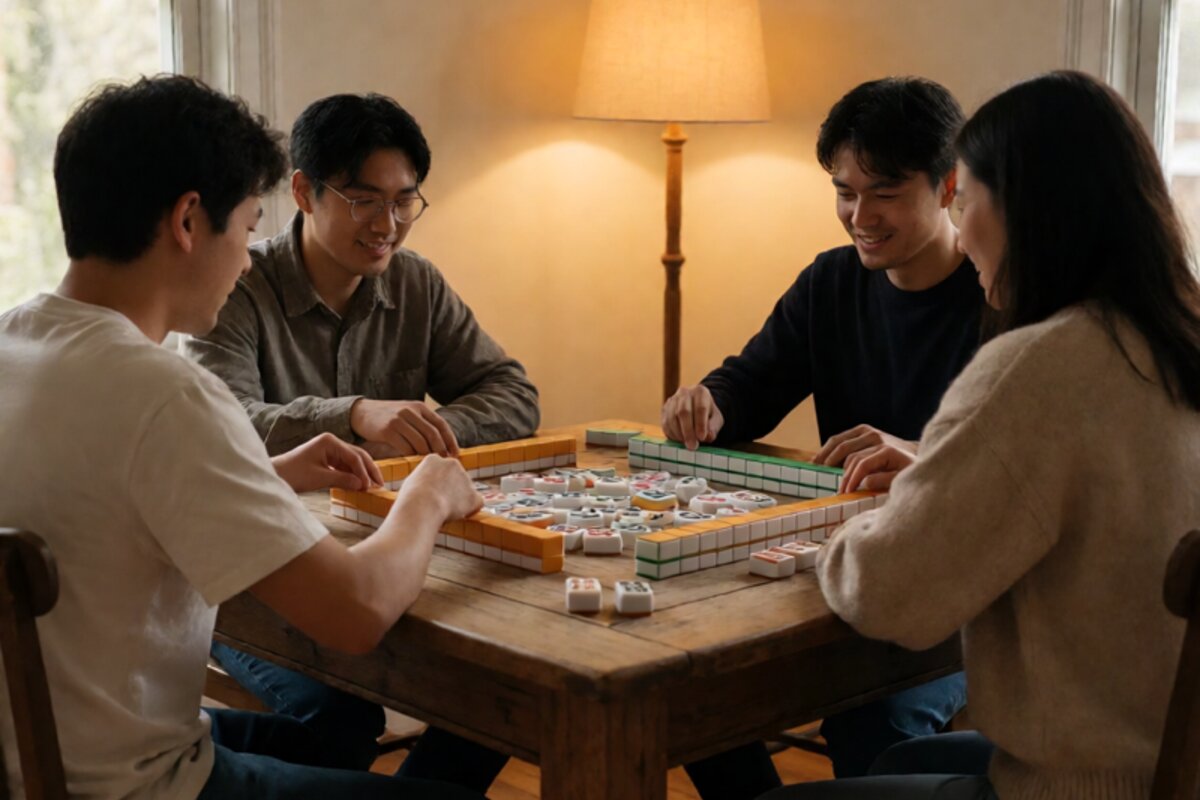
American mahjong is usually taught as a four-player game. The racks, the wall, the Charleston and the social rhythm of the table all assume four seats. That does not mean two people cannot use the same beautiful tiles and card for an evening at home. It does mean the players should agree that they are using a two-player house adaptation, not the official tournament format.
This guide explains what changes, which equipment is genuinely useful and how to create a two-person game that still feels like mahjong. It also covers the mistakes that make a two-player session frustrating.
The short answer
Yes, two people can play mahjong, but the version will be a house game unless the group follows a specific regional two-player ruleset. Standard American mahjong is designed around four players and a published card. If you and another player want to use an American set, choose a simple adaptation, write down the rules and treat the session as practice or social play rather than a tournament result.
The equipment does not need to be different. You can use the same American tiles and card. You may simply need fewer racks, a clear table and a shared understanding of how the wall, turns and Charleston will work.
What a four-player game assumes
A four-player American table gives every player a rack, a position in the turn order and a role in the Charleston exchange. The card is printed for the four-player game, and many hand patterns assume the full table. When two people play, those assumptions no longer line up automatically.
You can solve this in three ways: use a published two-player regional system that uses mahjong tiles, adapt the American card into a learning format, or use the tiles for a cooperative practice game where the aim is to build a card hand rather than simulate a full tournament. The important point is to name the format before the first deal.
Equipment for a two-person table
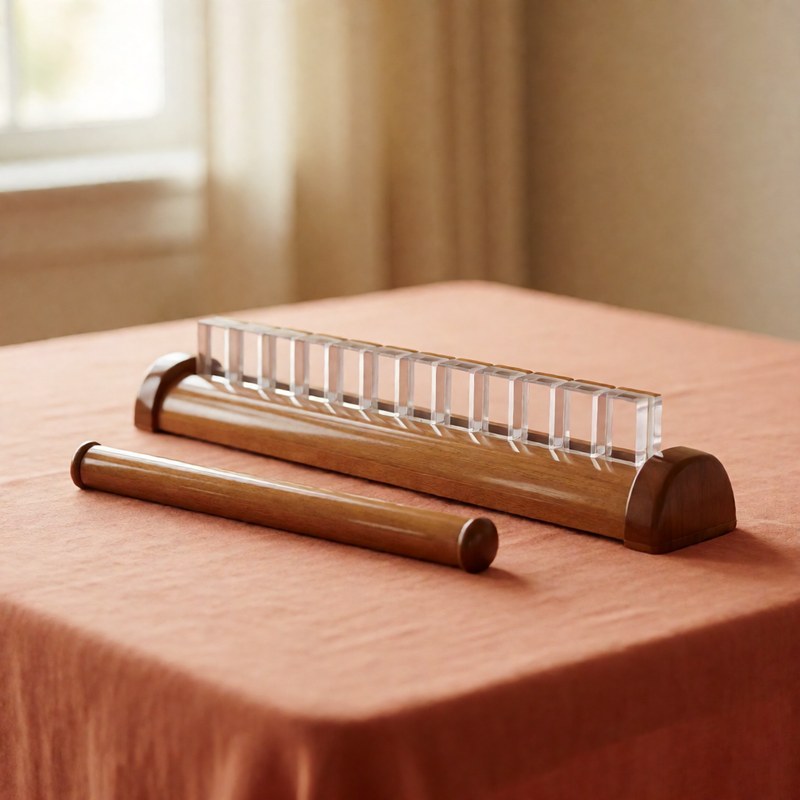
For a comfortable two-player setup, you need one mahjong tile collection, two racks and pushers, a mat or dedicated playing surface, a current card if you are using American hands, and a way to record any house rules. A pair of racks is enough for the two hands, although some players prefer to set out four racks to keep the visual language of the game.
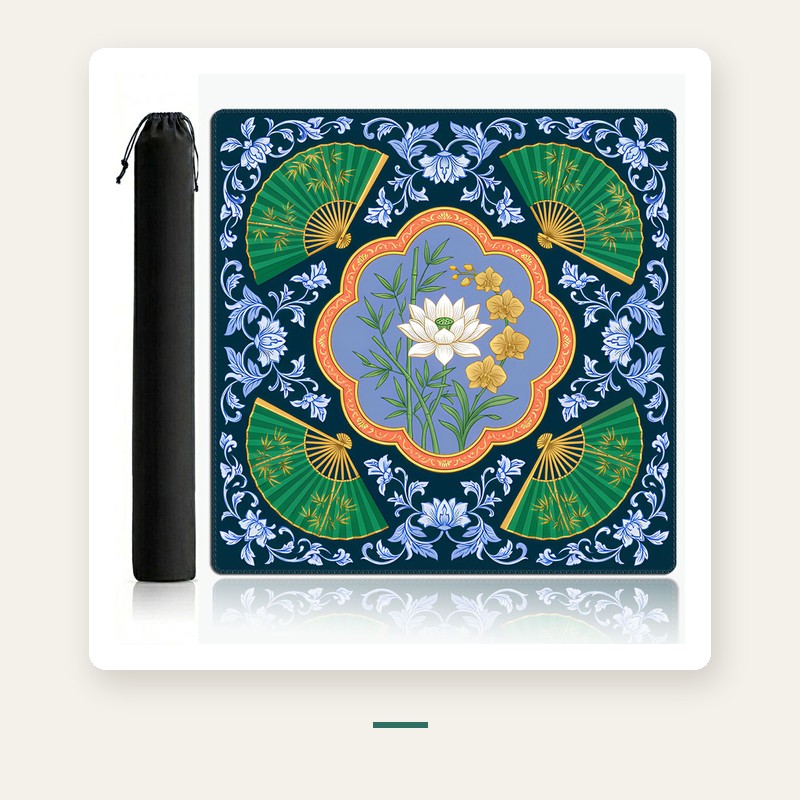
A mat is more important than a fourth rack. It defines the play area, protects the table and gives the wall a consistent surface. If the table is small, measure before buying: two racks, a wall and two discard areas still need room. Read our mahjong mat guide and rack guide for sizing.
Three ways to play with two people
1. Practice the card as a shared challenge
Each player builds a hand from the card while using the same deal and turn sequence the group agrees on. The aim is to practise reading the card, choosing discards and recognising legal exposures. Because this is not a standard four-player game, record the exact rules used. Do not present the result as an official American mahjong score.
2. Use a two-player exchange instead of the Charleston
The full Charleston is a four-player exchange. Two players can replace it with a simple opening pass: each player exchanges a set number of tiles with the other before play begins. The number and direction must be agreed first. This keeps the spirit of exchanging information without pretending the four-player procedure has been preserved.
3. Use a published regional game
Several Chinese regional and digital mahjong formats have two-player versions, but their rules are not interchangeable with American mahjong. If you choose one, use the tile set and instructions for that game rather than mixing it with an American card. The equipment can be shared; the rules should not be blended by accident.
A simple house-rule framework
If you want a repeatable two-player American-style practice game, begin with this framework and write down every change:
- Use the current card as the hand reference.
- Give each player a rack and enough tiles for the agreed deal.
- Build a smaller wall if the table is tight, but keep the wall and draw direction consistent.
- Replace the four-player Charleston with one agreed opening pass.
- Play in alternating turns with the same discard and exposure rules.
- Declare when a hand is complete, then check it against the exact card conditions.
- Record the result as a practice hand, not an official tournament score.
House rules are only fair when both players know them before the first tile is moved. Put the rules beside the card so a mid-game question can be answered from the same source.
How the table should feel
Two-player mahjong is more exposed than a four-player game. With fewer hands on the table, every discard is easier to read and the social rhythm changes. Keep the atmosphere conversational. A quiet table can feel intense if one player treats every draw as a test.
Place the card where both players can see it, keep drinks away from the tiles and leave enough room for a shared discard area. If you use four racks for visual symmetry, do not let unused racks crowd the wall.
Common two-player mistakes
- Claiming the game is official. If the table uses two players and house rules, call it a house game.
- Skipping the card. American hand values still depend on the edition being used.
- Keeping the full Charleston. A four-player exchange cannot simply be played by two people without adaptation.
- Using a table that is too small. Racks need stable positions, even when the wall is smaller.
- Not writing down the rules. The next session will otherwise start with an argument about what happened last time.
What to buy for a two-player home
Start with a tile design you both enjoy looking at, then add two matching racks and a mat that fits the table. A compact storage case is useful if the set moves between rooms. Do not buy a complete four-player setup solely for two people unless you expect to grow the group or want the option.
Browse American mahjong tiles, racks and pushers and mats. For a first session, read Your First American Mahjong Game and What Comes in an American Mahjong Set.
Frequently asked questions
Can two people play American mahjong with a standard card?
They can use the card for practice and house play, but the standard four-player rules and Charleston need adaptation. Agree on the format before play.
How many racks do we need?
Two racks are enough for two hands. Some players set out four for the familiar table layout, but clear space matters more than symmetry.
Can we use a Chinese two-player rule set with American tiles?
Yes, the physical tiles can be shared, but use the rules of the chosen game. Do not mix a regional two-player system with an American card and call it one format.
Is a mat necessary?
A mat is not strictly required, but it defines the play area, protects the table and makes the wall easier to manage. Measure the table before choosing one.
A turn-by-turn example for two players
Set the card and the written house rules where both players can see them. Build the agreed wall, deal the agreed number of tiles and complete the opening exchange before the first discard. Keep the draw direction and discard area consistent from hand to hand. When one player exposes a tile, say the card hand aloud so the other player understands what is being attempted. A practice game is more useful when the table can follow the logic, not only the result.
At the end of a hand, compare the completed tiles with the exact card conditions. Check suits, numbers, pairs and joker restrictions in the same order every time. If the hand fails, identify the missed condition rather than changing the rule after the fact. Write down one thing each player learned and reset the table for a second hand.
Comfort and accessibility at a two-player table
Place the card close enough that neither player has to lean forward. Use a chair height that lets the forearms rest comfortably and keep the most-used tiles within easy reach. A reader who needs larger text can use a magnifier or a digital copy in addition to the physical card, provided both players know it is the same edition.
When to invite more players
If the two-player game becomes a regular habit, consider adding two more chairs rather than buying more equipment immediately. Measure the table with four racks in position. A four-player table is a different social and spatial experience, and it may be the better long-term use of the set.
Bottom line
Two-player mahjong is best treated as a deliberate home variant or a learning format. Use the card, write down the house rules and choose a table setup that leaves room for two racks, a wall and comfortable conversation. The goal is a good game between two people, not a four-player tournament squeezed into two chairs.