


Engraved Melamine vs UV-Printed Acrylic: Which Tile Finish Holds Up
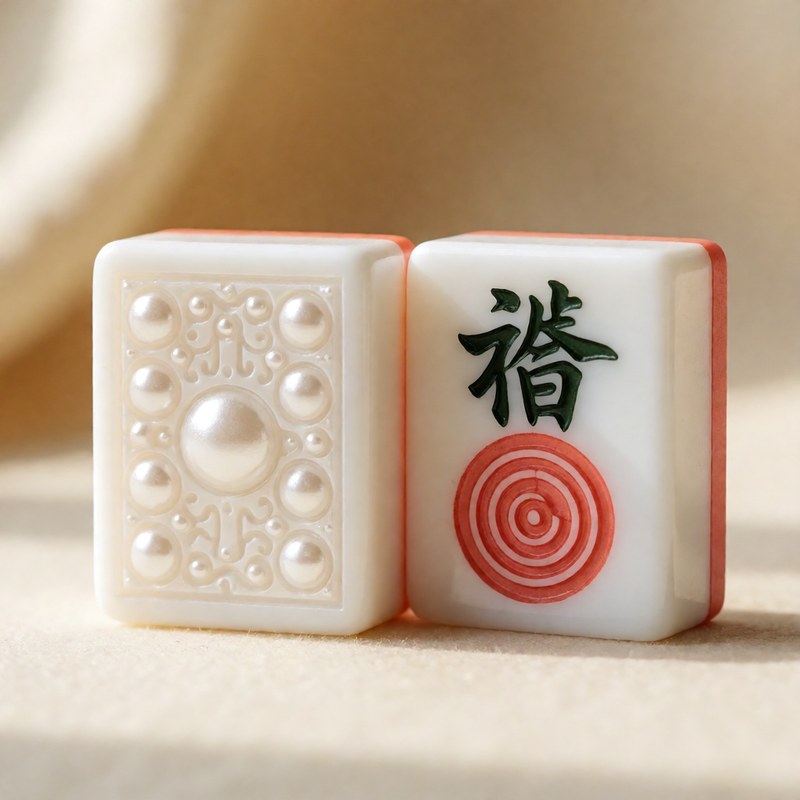
Melamine and acrylic both come with printed or engraved faces, but the two finishes age in opposite directions. An engraved melamine tile loses a little of its definition every year; a UV-printed acrylic tile keeps its lines sharp until the first scratch, then shows it. Knowing which failure you are willing to live with is the whole decision.
What engraved melamine actually is
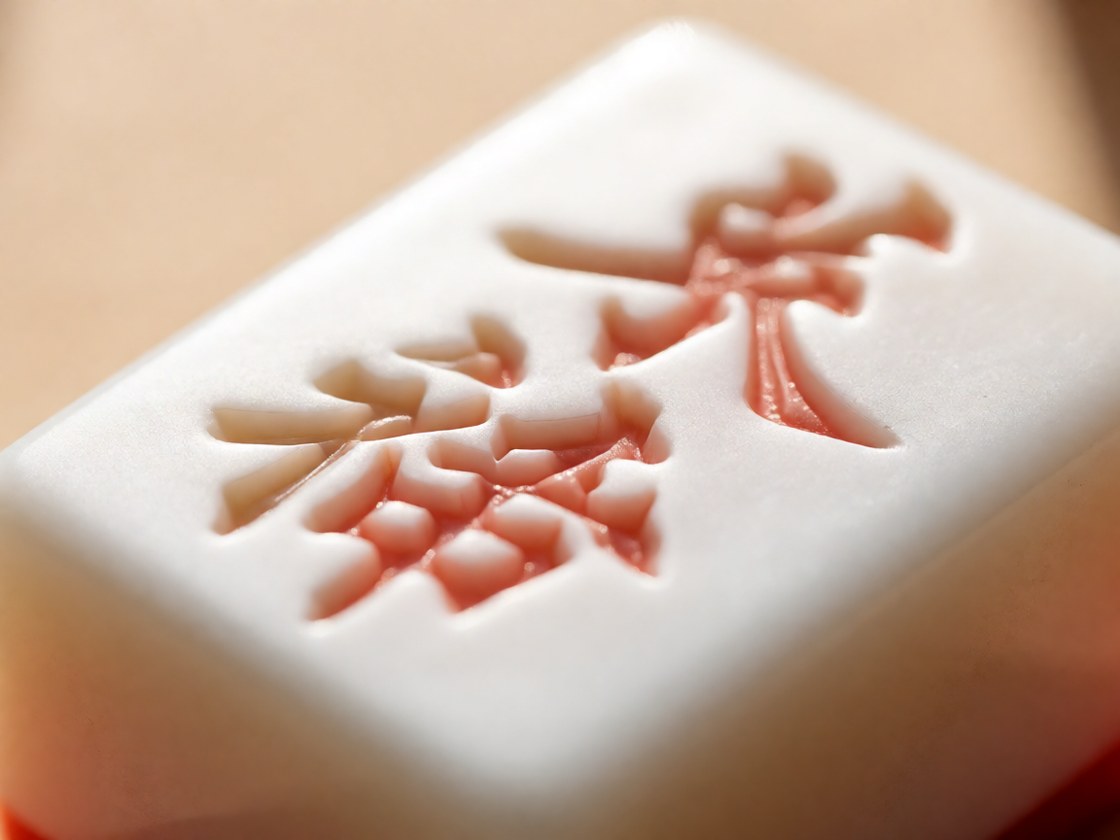
The face of the tile is laser-etched and then filled with a colored resin. The letter and number are recessed into the tile, not sitting on top of it. That makes the face harder to scratch than a print, but the resin fill is softer than the tile itself, so over time the filled lines get worn down by hand contact. A set that gets heavy weekly play will show it as a soft matte, not a sharp contrast, after a year or two. The tile still reads fine; the contrast just fades.
What UV printing on acrylic looks like and how it fails
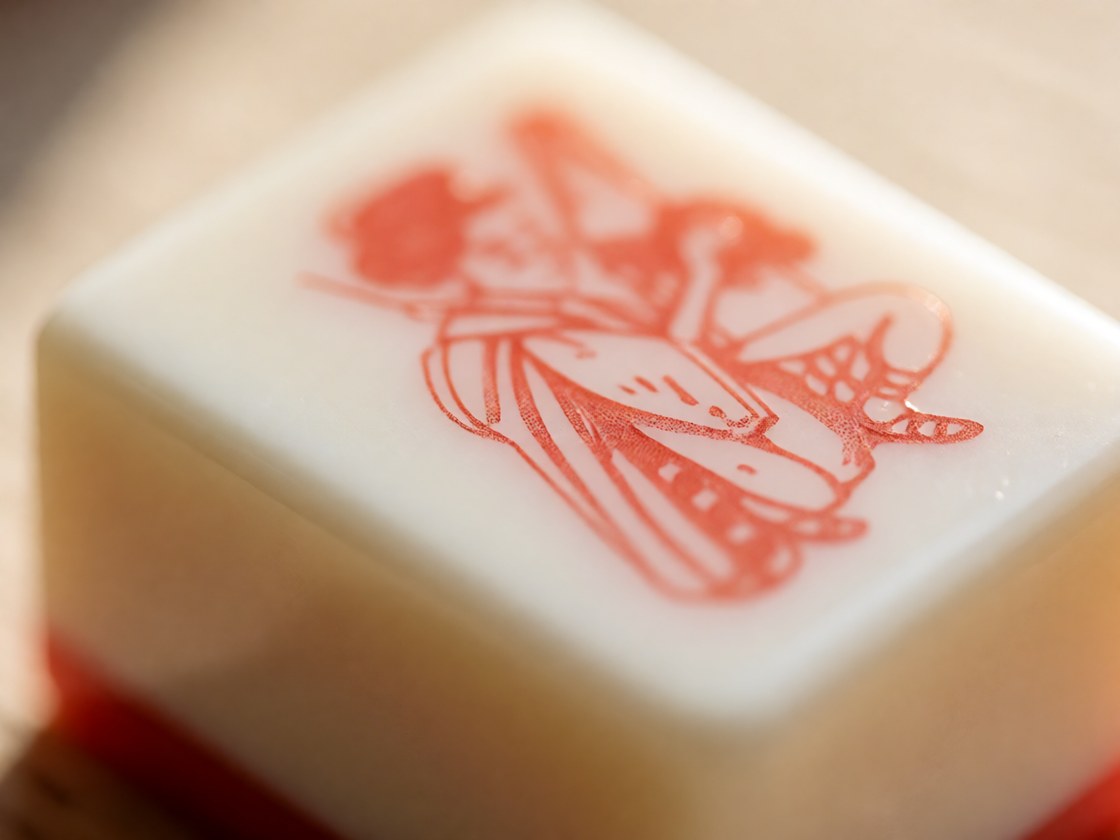
UV printing fires ink directly onto the acrylic surface. The result is brighter color and sharper lines than resin fill, especially on jokers and floral patterns where detail is dense. But the ink sits on the surface rather than in it. A rack that gets slid across a mat, or a tile that gets dropped on a hardwood floor, will leave a scratch that cuts through the ink. Once that happens, the damage is visible and permanent. A UV-printed set held on a mat with a soft tablecloth in between will last much longer than the same set played on wood.
Which suits your table
If the set is going on a table that gets real play, four or more times a week, engrave melamine. The slower wear is a known quantity; the contrast fades predictably and the tile still functions. If the set is more of a gift piece, or plays maybe a few times a month on a mat, UV acrylic gives a better looking face in the short run and will keep looking better for longer. The scratch risk is only real when the set is played on a hard surface without a soft layer in between.
One test you can do before you buy
Run your fingernail across the face of a tile and feel for depth. An engraved face has a measurable groove under your nail; a printed face is flat. That one check tells you which finish you are looking at, and which aging pattern you should expect from the set.
Compare wear, not just appearance
Engraved melamine and UV-printed acrylic can both look sharp when new. The more useful comparison is how the face is produced and how that surface will age with the way you play. Ask the seller what the finish is, inspect the edge in photographs and treat any durability statement as a claim that needs support from the specific product listing.
- Look at the face under reflected light; strong glare can reduce readability.
- Compare the artwork across several tiles, not one close-up.
- Ask how the tiles should be cleaned and stored.
- Check replacement availability if you are building around an existing set.
For the material overview, see Melamine vs Acrylic Mahjong Tiles; for care, see Mahjong Tile Storage and Care.
Test the finish with normal handling
Before a full game, handle a few tiles under normal room light. Look for glare that hides a number, check whether the artwork appears consistent across the set and inspect the edge for roughness. Place the tiles in the rack you plan to use. A finish that feels attractive in a product photo can become distracting if it reflects a window or lamp.
Follow the seller's care instructions for the exact finish. Avoid abrasive cleaners on a printed or engraved face unless the product documentation specifically allows them. For a broader material comparison, read Melamine vs Acrylic Mahjong Tiles and How to Choose Mahjong Tiles.
Compare the finish in the hand and on the table
Handle a few tiles normally, place them in the rack and read the faces from across the room. A finish that reflects a lamp can be less comfortable than a matte or satin surface even when both photographs look good. Follow the exact care guidance for the finish you choose.
Keep a finish note
Record whether the tile is engraved or printed and which cleaner the seller recommends. That note makes future care and replacement questions much easier.
Retest the finish after cleaning
After the first cleaning, look at the face under the same lamp and check that no residue or scratch was introduced. Follow the seller’s product-specific instructions before trying another method.