


Mahjong Mat vs Tablecloth: Which Surface Actually Works
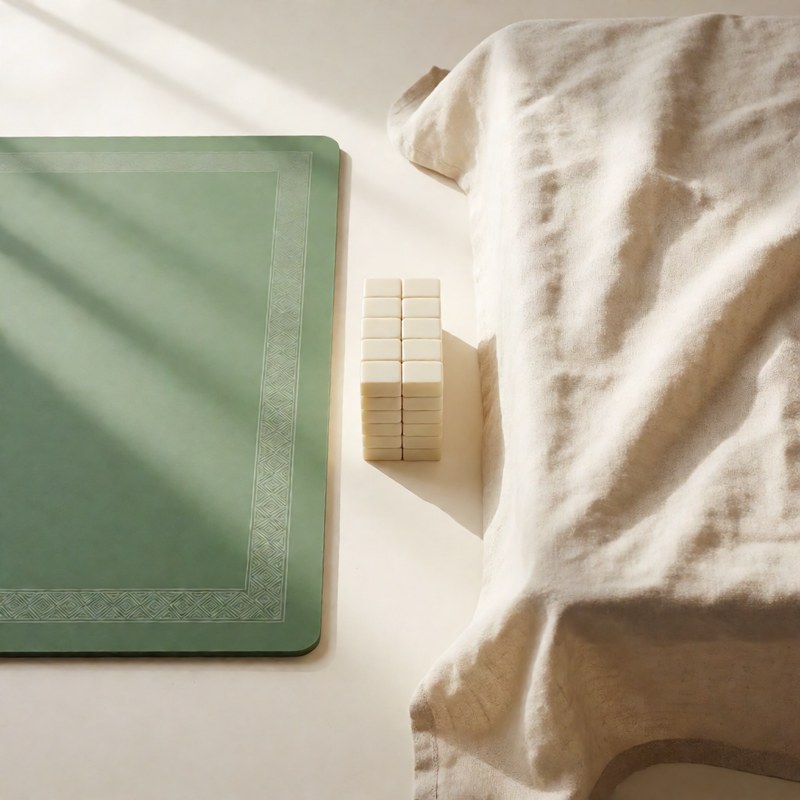
A mahjong mat and a tablecloth both cover the table. They do different jobs. Choosing the wrong one shows up as tiles that slide, a surface that pills, or a table that sounds like a drum all evening.
What a mahjong mat is actually for
A mat is a playing surface. Its job is to hold tiles in place, soften the click, and give the wall a consistent edge to build against.
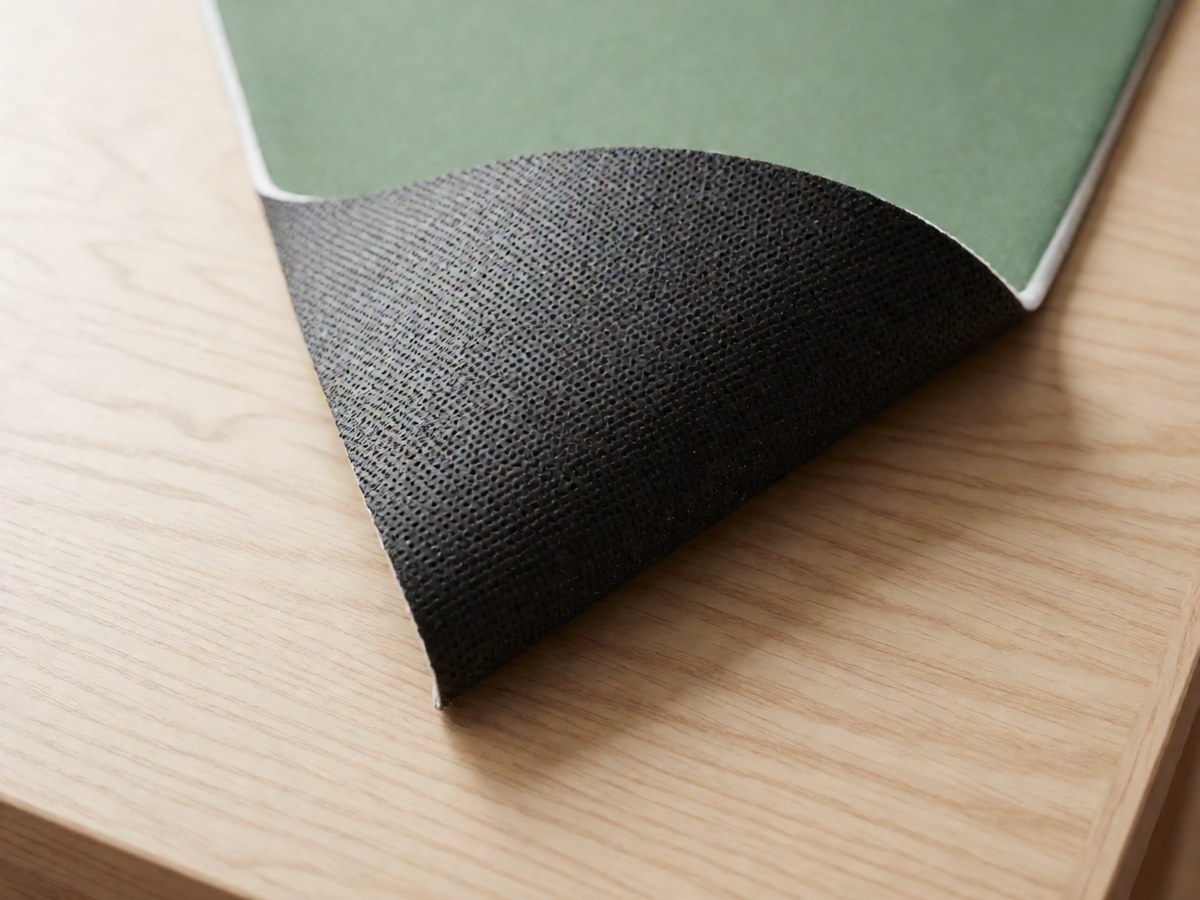
Most mats are a rubber or foam base bonded to a printed top layer. The base is the part that matters: it grips the table so the mat does not creep, and it absorbs the impact of tiles being set down.
What a tablecloth is actually for
A tablecloth is furnishing. It covers the table, sets the room, and protects the finish from spills. It is usually woven or knitted, and it is designed to drape, not to grip.
That drape is the problem at a mahjong table. Fabric moves. Tiles catch on loose weave, and the wall drifts as the evening goes on.
Where the two overlap
Some products sit between the categories: quilted covers with a printed pattern, felt-topped cloths, or mats printed to look like linen. They work, but only if the underside grips and the top is tight enough that a tile edge cannot catch.
If a product is described as decorative first and playing surface second, assume it behaves like a cloth.
Grip
This is the clearest difference. A rubber-backed mat stays where it is put. A cloth slides a little every time someone leans on the table and has to be straightened.
For a tiled floor or a polished table, grip matters even more. A mat that creeps changes the distance to the wall mid-hand.
Noise
Tile noise comes from hard tiles meeting a hard surface. A mat with a foam or rubber base takes the sharp edge off the click. A thin cloth barely changes it, and a starched cloth can amplify it.
Comfort and speed
A mat gives a slightly tacky surface that slows tiles down, which makes stacking and racking easier. A cloth lets tiles slide freely, which some players prefer for a faster, looser game.
Neither is wrong. It is a trade-off between control and speed.
Care
A rubber-backed mat wipes clean with a damp cloth and can be rolled for storage. A cloth has to be washed, and repeated washing changes the surface.
If the table is used for dinner as well as mahjong, a mat that can be wiped and rolled away is the simpler choice.
Which to choose
If the table has a hard finish, the room is shared, and the set is used regularly, choose a mat. If the priority is how the table looks between games and the surface is already soft, a cloth can work.
The one combination to avoid is a loose cloth on a polished table with heavy tiles. That is the setup that produces sliding walls and chipped corners.
Choose by the job, not the photograph
A mat and a tablecloth solve different problems. A mat is usually selected to define a playing surface and provide a specific feel under the tiles. A tablecloth is more about dressing the whole table and changing the room. The right choice depends on whether the priority is gameplay, appearance or both.
| Priority | Better starting point | What to check |
|---|---|---|
| Defined play area | Mahjong mat | Finished size, surface, backing and storage |
| Whole-table styling | Tablecloth | Drop length, material and care |
| Acoustic comfort | Mat with described padding | Thickness and actual product description |
| Easy cleaning | Whichever surface matches the care instructions | Spills, heat and abrasive cleaners |
Can you use both?
Yes, but test the layers. A mat can slide on some cloth surfaces, and a thick combination may change the table edge or storage plan. Put both surfaces in place before the first game and check that racks sit evenly. Read Choosing a Mahjong Mat and Mat Thickness Guide for measurement help.
Test the combination on your own table
Lay the cloth first, then the mat, and check whether the top layer moves when a rack is placed on it. Build a short wall and walk around the table. If the layers feel unstable, choose one surface rather than adding more padding. Measure the final footprint and confirm that the combination can still be cleaned and stored.
If the room needs the finished look of a cloth, choose a mat with a backing that is appropriate for the layer beneath it. Read the care instructions for both items before washing or folding either one.
Measure the finished layers
If both a cloth and a mat are used, measure the combined footprint and test the edges under four racks. The extra layer should not change the table balance or make the playing area harder to clean.