


Traveling With American Mahjong: Choosing a Compact Case Without Losing Pieces
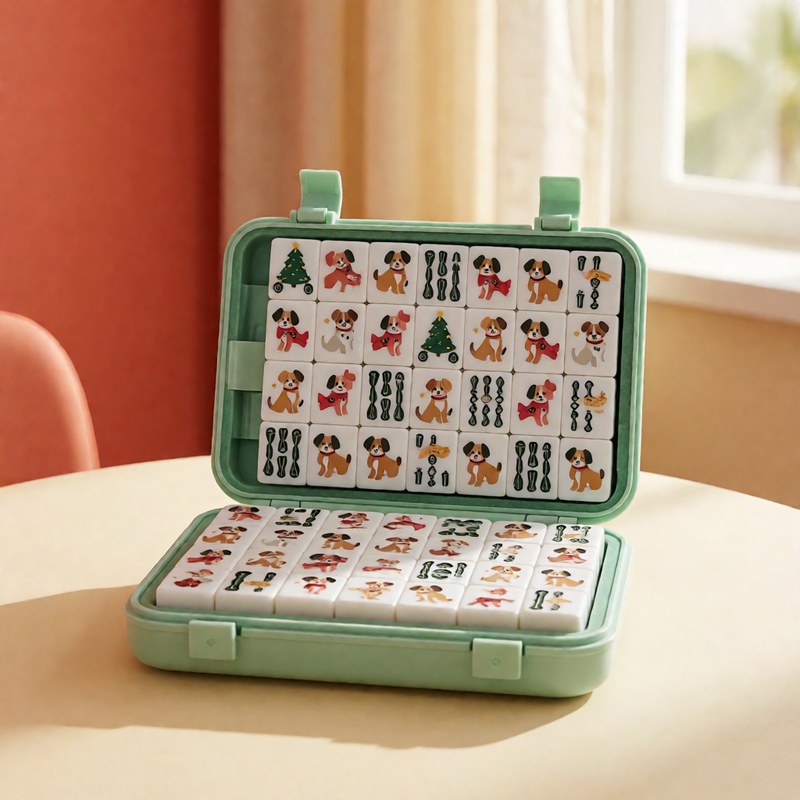
The problem with packing American mahjong is that the set is not designed to travel. A 160-tile set in its standard rack takes up the footprint of a small hardcover book and the depth of a shoebox. Most of the time the case you end up using is one that was made for something else and is just barely big enough. The first decision is whether you are bringing the mat, the rack, or both, because those three items do not all fit in the same bag.
Decide what is coming
The mat is the item that does not travel well. It is large, has a non-slip rubber backing that catches on seat pockets and suitcase wheels, and the whole point of a mat is to stay flat on a table. For a trip, leave the mat at home and use a rolled towel under the rack instead. A rolled towel gives you enough grip to play a hand and it stows in seconds. The rack is the item that takes the most damage in transit: tile slots can crack, the plastic can warp in a hot car, and the back face gets scratched against the inside of any bag that does not have a soft lining.
The case that actually works
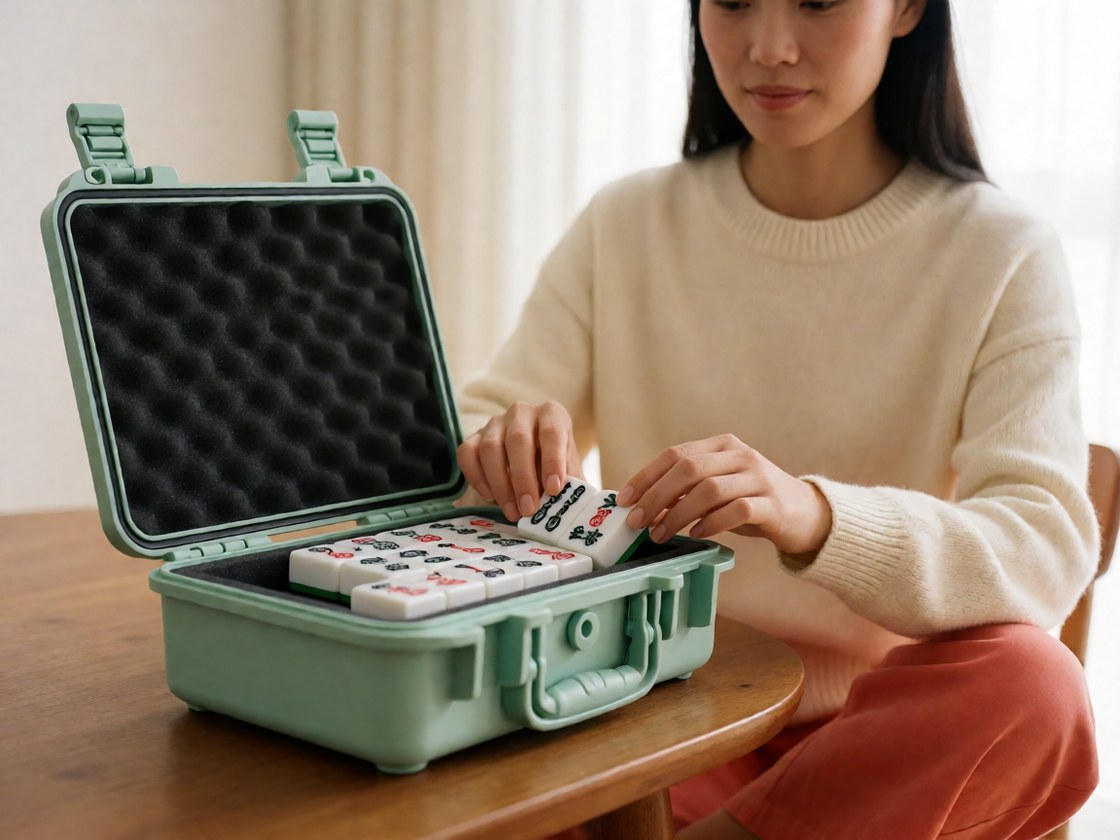
For a full 160-tile American set, you need a hard-shell case that is at least the dimensions of the rack plus the stacked tiles. Look for a case with a foam or felt interior, not a zipper bag. Zipper bags let the tiles slide against each other, and that sliding is how the backs get scratched. If the case has individual tile slots, that is better; the tiles do not move at all. A case without slots is acceptable if you wrap the stack in a soft cloth before it goes in.
The rack in the bag
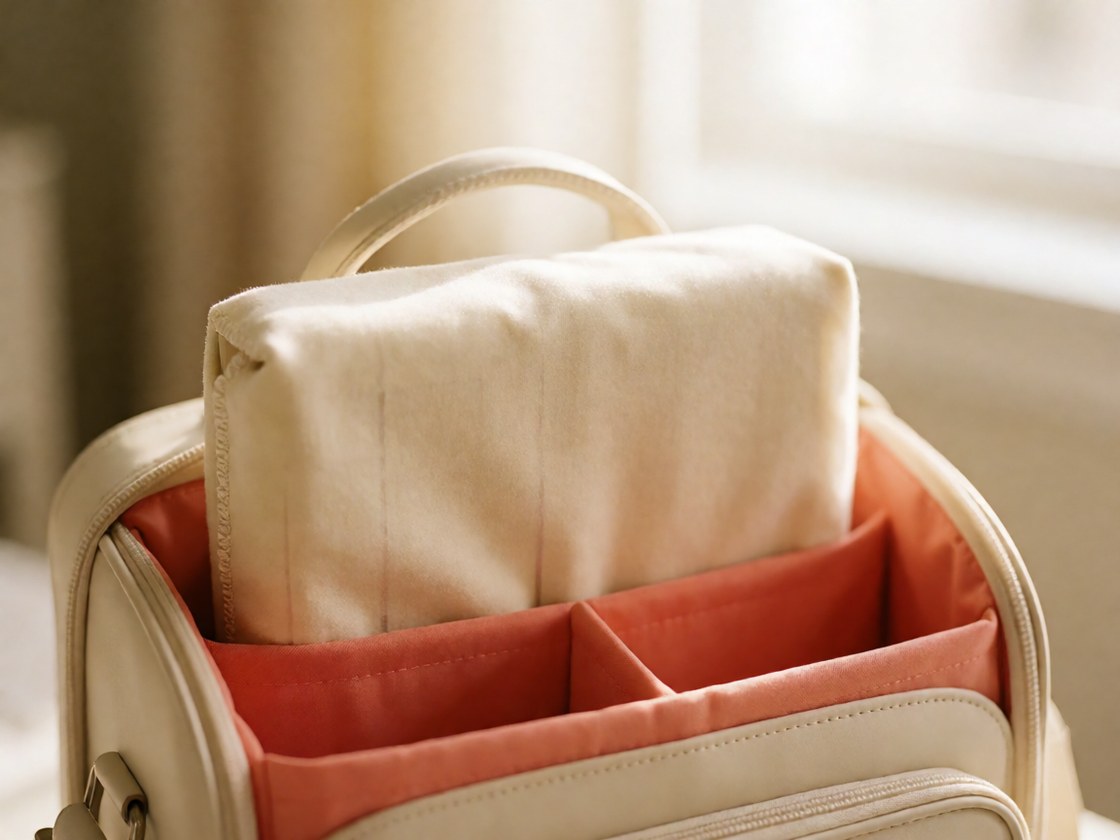
Store the rack face-down on top of the tile stack, wrapped in the same soft cloth. The face-down position protects the front of the rack, which is the part you look at most. The cloth between the rack and the tiles prevents the rack bottom from pressing into the tile faces. If the bag has a separate compartment, put the rack there; the tiles and rack do not need to sit together.
One thing to check before you fly
Check the total weight of the set, rack, mat and case against your airline overhead limit. A full set with a hard case and a mat can hit seven to eight pounds, which is fine for a checked bag but too heavy for overhead on most planes. If you are bringing the set onto the plane, leave the mat at home and you will be under the overhead weight limit comfortably.
Pack for arrival, not only departure
Travel packing should account for the moment the case is opened at the destination. Keep the card in a protected sleeve, separate the joker group if the group sorts before play and leave enough room that the tiles do not need to be forced into place. Photograph the packed layout before the first trip so the same order can be repeated.
Do not put loose dice or metal pieces against printed faces. A small pouch prevents scratches and makes the contents easier to check before leaving a hotel or club.
Choose the case around the longest item
Measure the racks as well as the tiles. Check the interior corner shape and the closure clearance. A soft bag is easier to compress but may offer less edge protection; a structured case may protect more but take more room. Pick the tradeoff that matches how the set travels.
Before returning home
Count the pieces, close the case and keep the card flat. If something is missing, record it immediately rather than discovering the problem at the next game. Read What Comes in an American Mahjong Set and Mahjong Tile Storage and Care.
Use a packing checklist
Before closing the case, check tiles, racks, jokers, card and small pieces against a written list. Keep the list in the case so the next trip starts with the same standard.
Check the case after every trip
Open the case and inspect the corners, closure and tile groups when you return home. Remove grit and let any damp item dry outside the case. Replenish the packing list if a piece was deliberately removed.
Final travel check
Close the case, lift it by the normal handle and listen for loose movement. Check that the card is flat and that no sharp piece rests against a printed face. Repeat the same check when you return home.