


American Mahjong Travel Sets: Packing, Rules and Gifting
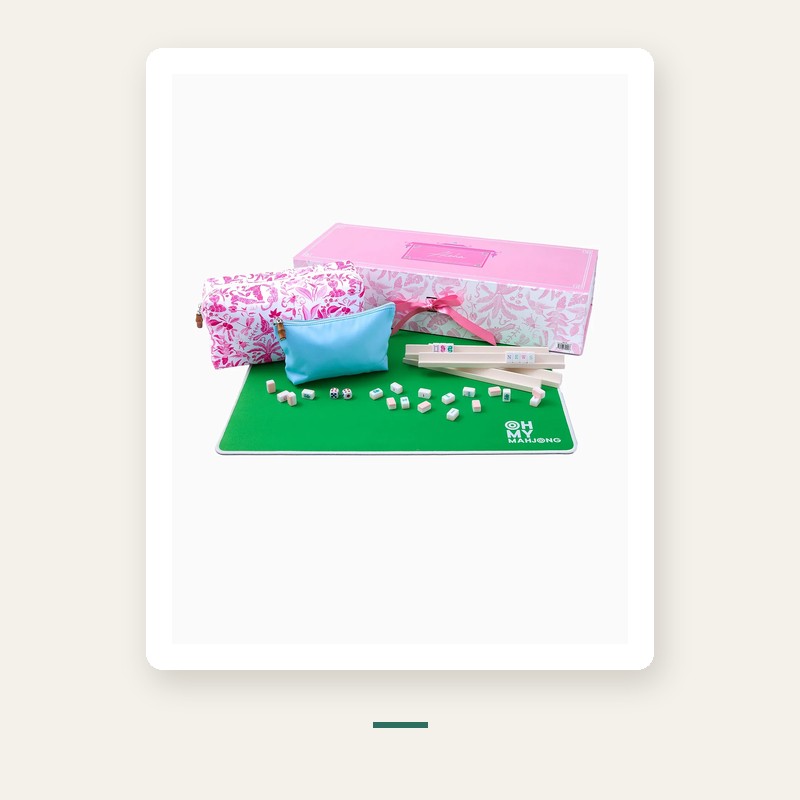
American mahjong is a hostess game: someone brings the tiles, someone else brings the card and the snacks. That is also why a travel set is different from a home set. A home set is built around one table. A travel set is built around one question, can everything that a round needs survive being checked in, carried, and set up on a stranger's table?
What a travel set should actually contain
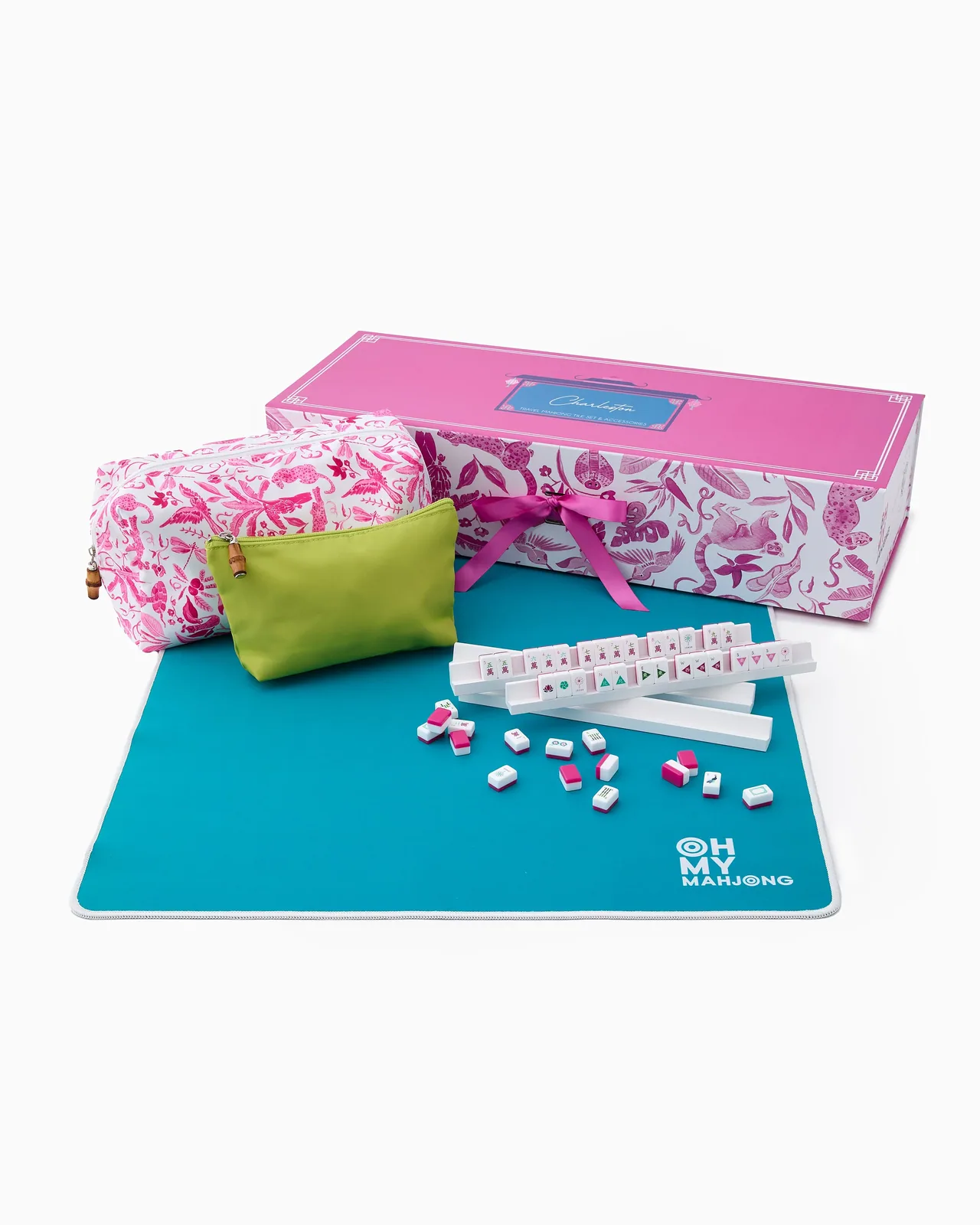
The minimum is 160 tiles, the standard American count including jokers, a case that holds them in place, and room for the current National Mah Jongg League card. A card is paper. It needs a sleeve or a folder, or it creases into a mess before the second game. Anything beyond that is comfort: pushers, a fold-out mat, a small scoreboard. If a listing calls something a travel set, check the tile count and whether it includes the case, not just the tiles.
Case quality decides whether you actually use it
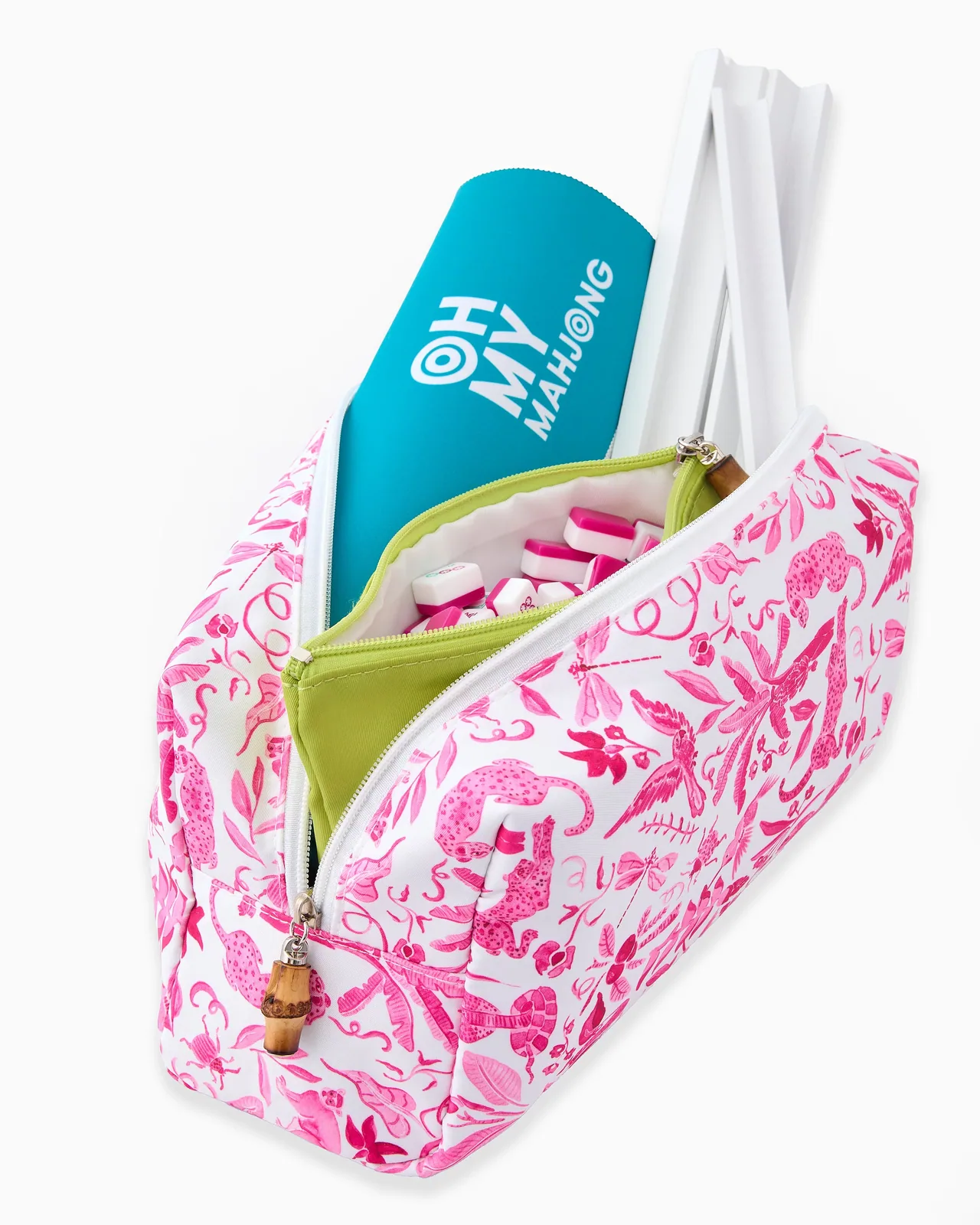
Hard-shell cases protect tiles but add weight and often need a second bag inside a suitcase. Soft drawstring bags are light, but tiles click against each other through long rides. A zippered soft case with dividers is the middle ground most players land on. Think about how you will carry it, one hand at an airport, or stored in a desk drawer, and buy the case that matches that.
Gifting a travel set
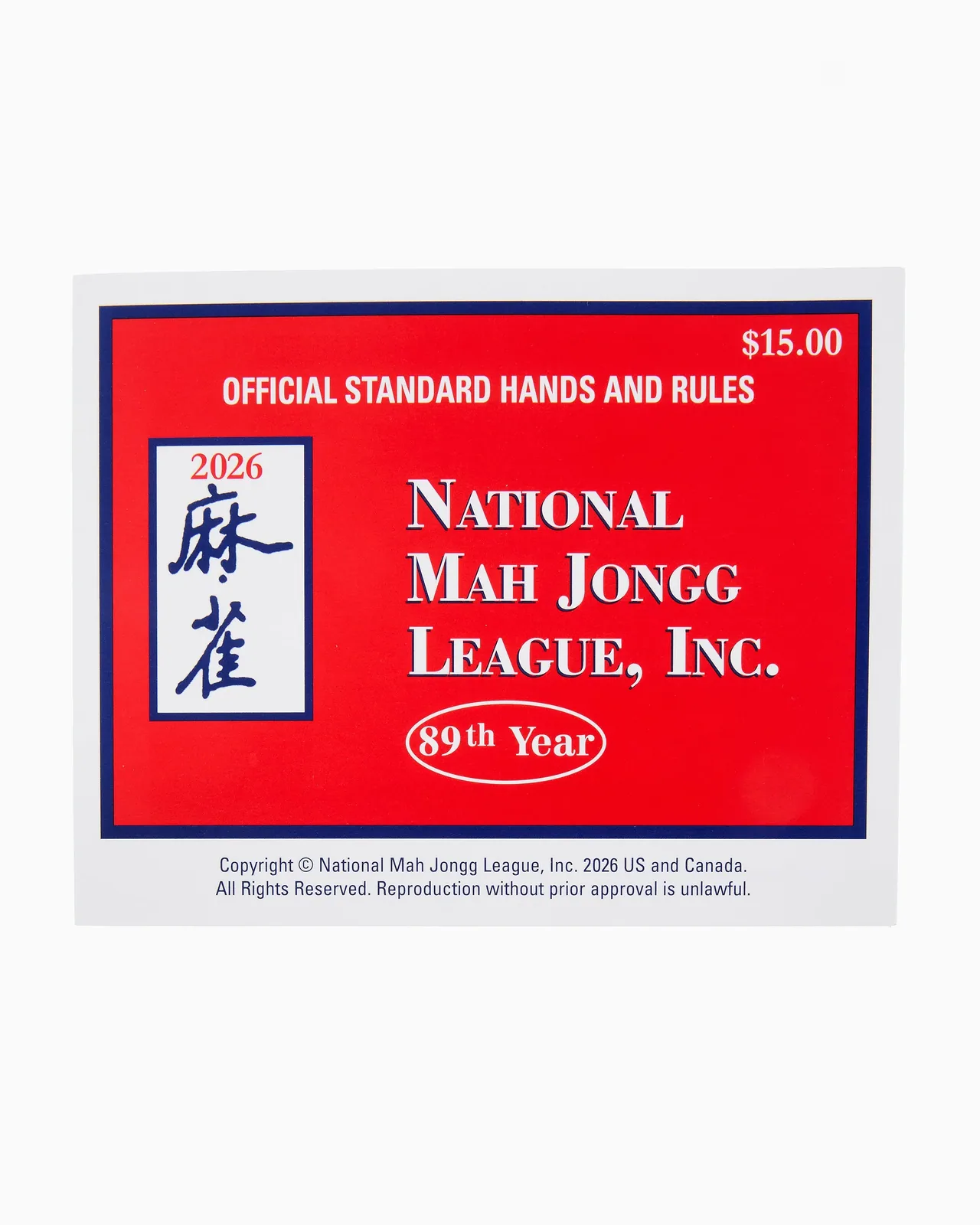
A mahjong travel set works as a gift for a hostess, a best friend who moves cities, or a sister-in-law who just got a table. The gifting move is to pair the set with the current league card and a sleeve for it, because that is the one piece most people forget to buy. A simple card and pen set in the case turns a good gift into a full game.
Before you order
Confirm the listed tile count, whether the case or bag is included, and the included accessory list. If the card you want to play is not in the box, that is the gap to fill. See the Mahjong Sets & Tiles category for the current travel and storage options.
A travel-set packing checklist
Pack for the game you will actually play, not for every possible accessory. Start with the tile count, joker group, racks and the current card or rules reference. Add a small pouch for dice and any table pieces the group uses. Measure the longest rack before choosing the bag, and keep the card in a separate sleeve so it does not bend against the tiles.
- Confirm what the travel listing includes; a tile-only case is not a complete set.
- Measure the interior, not only the exterior, and check the closure clearance.
- Keep the tiles from knocking loosely during transit.
- Carry the card and any house notes separately from drinks and food.
- Photograph the packed layout before the first trip so repacking is repeatable.
Gifting a travel set
A travel set can be a thoughtful gift for a player who already has a home table, but confirm whether the recipient needs tiles, racks or storage. If the recipient is new to American mahjong, pair the set with the current card and a link to Your First American Mahjong Game. Do not promise that an unfamiliar case will fit every rack without measuring.
Run a one-bag packing test
Before a trip, pack the set exactly as you intend to carry it, then lift the bag by its normal handle and walk around the room. Listen for loose tiles, check whether the closure stays secure and confirm that the card is not bending against a rack. Open the bag again and repack it once. The second attempt usually reveals which piece needs its own pouch.
Do not rely on exterior dimensions alone. A case can look large while an internal divider reduces the usable space. Measure the longest rack, the height of the tile stack and the thickness of the card sleeve together. If the set will travel by car, check that the bag fits behind a seat without being crushed. For air travel, keep the rules reference accessible in case the group wants to review it before the set is unpacked.
Pack for the first and last ten minutes
The easiest travel set is one that can be unpacked and repacked without guessing. Photograph the packed layers, keep the card in a protected pocket and place small pieces in one labelled pouch. At the destination, inspect the tile groups before dealing so a missing piece is noticed before the game starts.