


Mahjong Tile Sizes: What Fits Your Rack and Your Hands
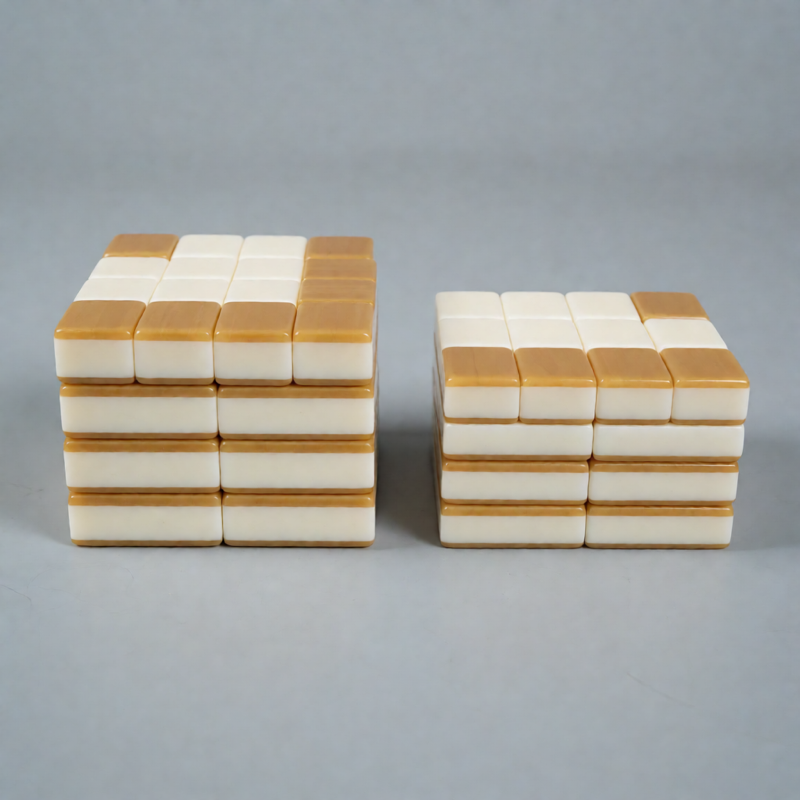
Tile size is the specification buyers ask about least and notice most. A set that is two millimetres taller than another looks almost identical in a photograph and feels completely different across a three-hour session.
What the numbers actually describe
Three measurements matter, and listings rarely give all three:
- Height — how tall the tile stands. This is what "size" usually refers to.
- Width and depth — how much of the rack a tile occupies, and how stable it is when standing.
- Thickness — how the tile feels in the hand and how much it weighs.
A tall tile with a thin body feels lighter and more fragile than a shorter, thicker tile of the same nominal size.
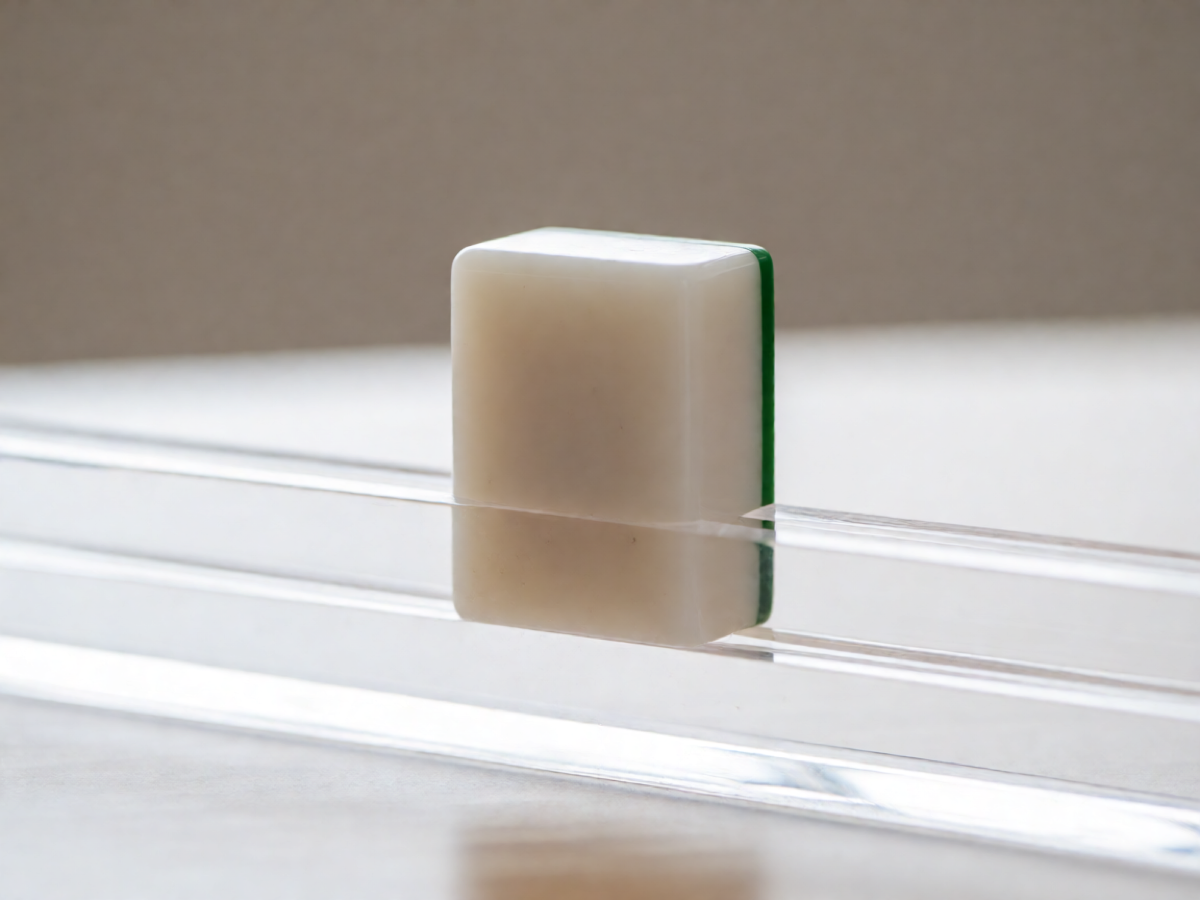
Why height changes the game
Taller tiles are easier to read from across the table, which matters when four people are checking exposures. They are also harder to knock over cleanly and easier to see when someone is trying to hide a tile behind a rack.
Shorter tiles suit smaller hands and smaller racks, and they shuffle more easily. If the people at your table wear rings, or if anyone has limited grip strength, taller tiles are usually the kinder choice — they are easier to pick up and set down without fumbling.
Rack compatibility
This is where size becomes a purchase risk. Racks are built to a height, and a tile taller than the rack's groove will lean or fall. If you are buying tiles and racks separately, match them: ask for the rack's groove height rather than assuming standard sizing.
A set that includes both is the safe route for a first purchase, because the manufacturer has already resolved this.
Thickness, weight and the sound
Thick tiles sit more stably and produce a lower, more solid knock on a mat. Thin tiles are lighter to carry and cheaper to ship, but they can slip when a rack is tilted and they feel less substantial during a long session.
Sound is not trivial. A table of thin tiles clicks; a table of thick tiles knocks. Neither is better, but it is part of why two sets of the same size feel so different.
What to measure before buying
- The groove height of your existing racks, if you already own them.
- The height and depth of the tiles you play with now, as a reference point.
- Whether the set includes racks, so you are not matching parts after the fact.
- Whether 152 tiles — including eight jokers — are included, since American play needs them.
Sizes for travel sets
Travel sets trade size for portability. Smaller tiles are the point, and they usually come with a matching compact rack and a case. If you play mostly at home, a full-size set is easier on the hands; if you play at a club or a friend's house, a travel set gets used far more often than the one in the cupboard.
The short version
Choose by the people at your table and the racks you own, not by the number on the listing. Bigger is easier to handle and harder to misplace; smaller is easier to move and store. Both are correct answers for different tables.
A rack-fit worksheet
Measure the rack in three places: the inside length of the channel, the width of the base and the height of the front lip. Then measure the tile's height and thickness. A tile can fit in the channel while still feeling unstable if the lip is too low or the rack is too narrow. Write down the numbers instead of relying on the phrase “standard size,” because standards are not universal across makers.
Place a few tiles in the rack if you already own it. They should sit at a useful reading angle without leaning heavily against the player's hand. Check that the rack does not tip when the last tile is removed. If you are buying a rack online, compare the published measurements and ask for a photograph from the side when the listing only shows the front.
What changes when tiles are larger
A taller tile may be easier to see, but it also changes the balance of the rack and the amount of space needed for four players. A thicker tile can feel more substantial in the hand while reducing the number that fit comfortably in a storage case. Test the whole setup, not one dimension in isolation. The right size is the one that remains readable and stable through a full session.
Measure before changing tile size
Tile size is a system, not an isolated number. A taller tile changes the centre of gravity in the rack, the space needed in storage and the visual scale of the table. Measure the tile height, face width and thickness, then compare them with the rack lip and channel. If you are buying a second set, test one tile in the existing rack before committing to a full group.
Our mahjong rack guide explains the other side of the same fit calculation.